



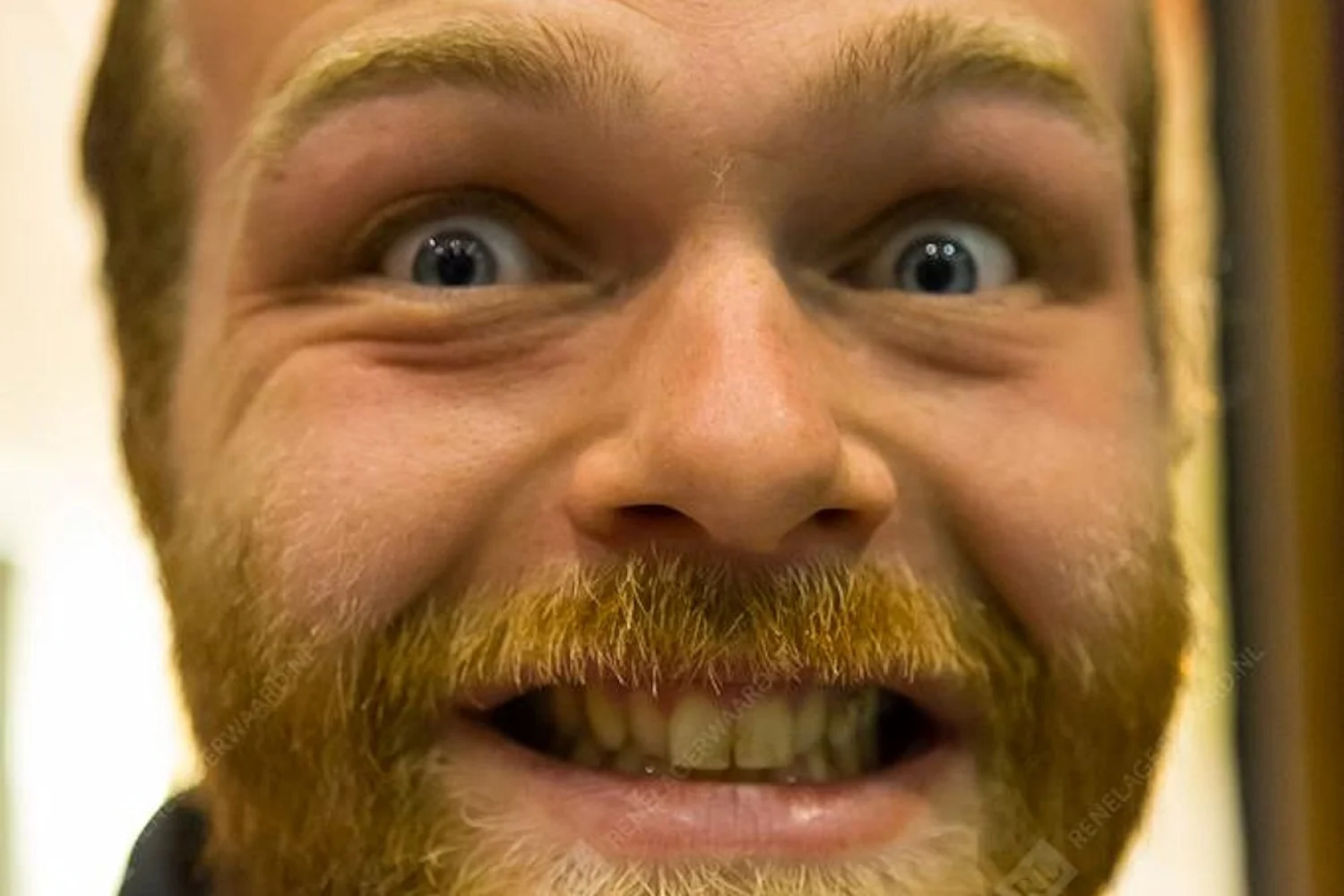
A few weeks ago I was at Badcoach Summer Camp in Belgium working on the coach education. This will be the surroundings of this text. The coaches were already on the second day responsible for organizing practices with some of the best youth players in Belgium and Holland. They were responsible for preparing the training from a given subject and had a demand to differentiate to the different levels of players on court. A very tough task for inexperienced coaches! Although the planning went without problems the ability to make it work on court seemed to a more difficult issue. An exercise on paper almost never works the way it is supposed to on court. So what can we do to make the exercises work on a training and how do we develop this ability in our future coaches?
For me the most important thing is change. If something is not working, whether it is the exercise itself or level of the players don't suit the exercise, the first and only thing that needs to be done is to change it. Do something. I have seen many coaches try and force an exercise. An issue we worked on a lot on the Badcoach Summer Camp. When we discussed this topic one of the questions was: "what if I change it to something worse?" To this question I have only one answer: It is not possible. You already have something that is not working, if you don't change it you still have nothing, but if you change there is the possibility that it will work. Ofcourse it can still fail, but it does not matter which one of the exercises fail. Just by changing you will gain positive feelings from the players, and they know when an exercise is not working, because your actions show that you want the best for them.
How do we make our coaches see this? The first I think of is to analyze the exercise and see where the problem lies. Is there a possibility to make small adjustments to make it work or do I need to make a completely new exercise. No matter which one of these two I choose, it is important that I do it as soon as I realize that it is not working. Time is of the essence, time used on a non-functioning exercise is valuable training time wasted. Therefore it is sometimes imperative that the coaches must 'kill-their-darlings'. This expression is used when a coach has made an exercise and it has become almost a part of him/her so it will be harder to discard it. I sometimes see coaches trying to force "their darlings" on the players, and the only gain from this is a drop in motivation.
This leads me to one of the biggest subjects on the Badcoach Summer Camp. How to develop exercises. For me it is not enough to know a lot of exercises, because no matter how many you know you cannot use them at all times on every player. On the camp we spent a lot of time on which parameters we can work with in our exercises, based from our common knowledge of technique and tactics. This was with great success. In just a few days the coaches in training went from spectators of a non-functioning exercise to actively taking responsibility for their training. This is a process for many, as it takes courage to admit mistakes to one's players, but I honestly believe with my whole badminton-loving-heart that they will reward you as much as you reward them by changing.
Andreas Johannsen
BA Sports Science
Professional badminton coach in Denmark


Reacties 3
Great photo!
Hi Andreas,
The issue
that you write about is one of the biggest problems in coach education. Where
ever you come you need to prepare your training and you get high scores if that
is done in detail, after that you have to follow your pre-set, pre- programmed,
pre-thought and pre-killed training. It is the plan on paper that is important and
not the player who is doing it, we have a very big group of coaches who are
very unsure about themselves when they are standing before a group of players
and there only reassurances is the piece
of paper in their hand, it has become the lifeline of their training. The detailed
pre-made training program has become the symbol of training without vision and creativity.
Training exercises
develop in the hall, time tables adjusted to the need and not to the clock. I
have not seen a coach jet including you and me that were not nervous sometime
when we have to come out of our comfort zone en doe something that we did not
thought trough at all. But nothing give you more satisfaction when you start to
develop the training and open your brain to complete new ways to work out the
problems on court for the players. There are always some coaches that fall true
if they have to work like that and that will set their level, nothing have to
said about that they know. Before clubs, federations and new coaches in the
making are going to follow expansive coach education they all should do a test
like this first. Pass the test and you can start the investment in yourself or
for your organization because it will be a investment in interesting people.
We have
also see this happening on ORO where we see coaches grow and leave the island
full of trust in the future for our sport and the roll they will play in it. I
don’t know if it is the chicken or egg story, are coaches with confidence coming
to ORO or if coaches get confidence after they have been here but 90% of the coaches
that come here leave has better coaches and stay in contact, start writing and
dear to stand up for their opinion.
I welcome
people like you on this website and see it has a start for this site to become
a International respected Badminton site where people will share there know
how.
Very well written Andreas.
Reacties zijn afkomstig uit de periode dat badmintonline.nl Disqus gebruikte als reactiesysteem.